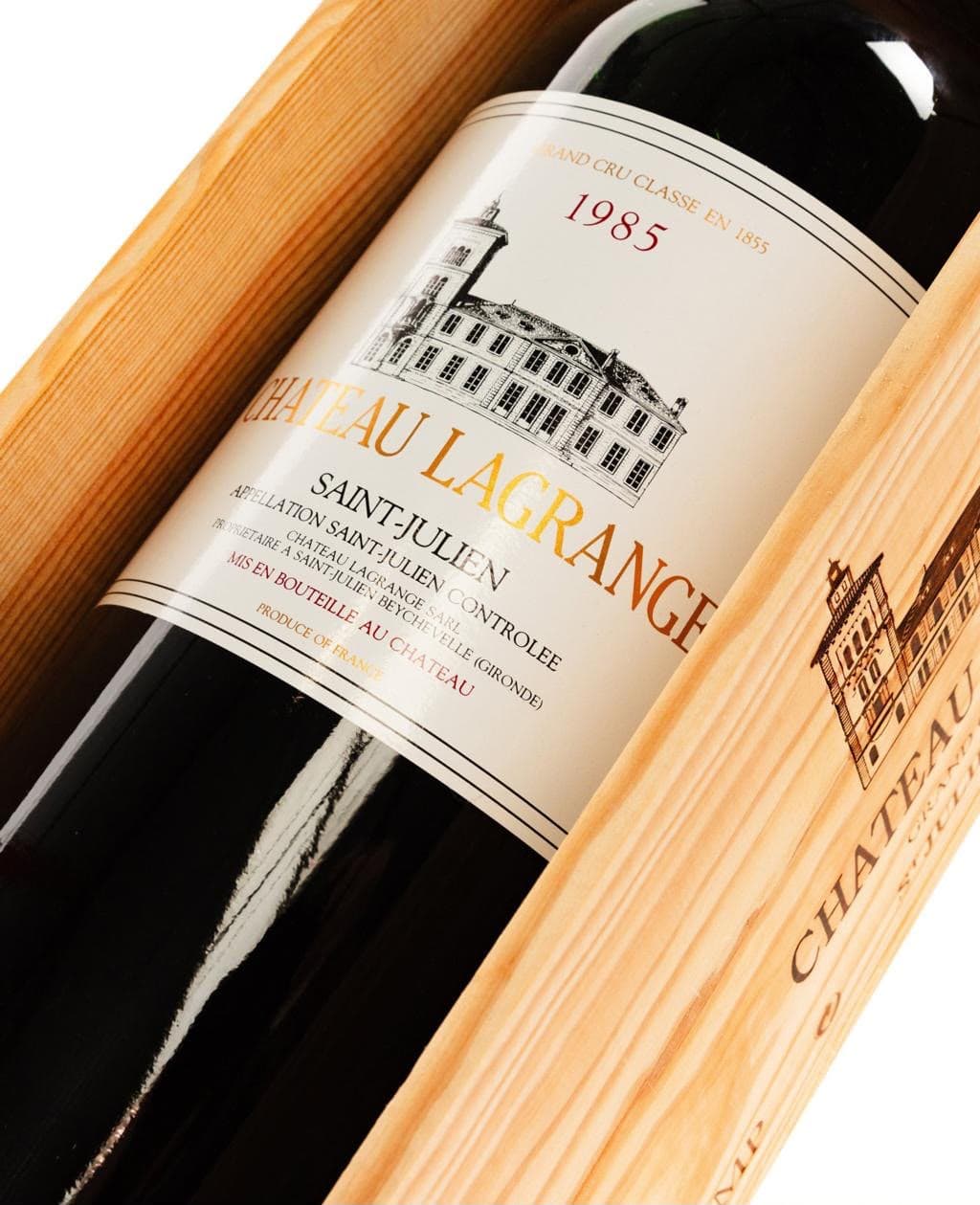
Fine wine is a specialist asset category in which the wine's identity and quality are only part of the assessment. Provenance—the documented history of a wine's origin, ownership and handling—can help establish confidence in the asset and inform decisions about storage, valuation and potential resale.
Acquisition and ownership records
Acquisition records can help establish when and where wine was purchased, its stated identity and the chain of ownership. Invoices, inventory records, producer documentation and records from recognised merchants or other relevant parties may contribute to the supporting evidence.
The strength of that evidence depends on its completeness, consistency and reliability. Records should be checked for discrepancies, and documentation should not be assumed to establish authenticity on its own.
Storage and custody
Storage conditions can affect wine quality and condition over time. Temperature fluctuations, unsuitable humidity, exposure to light and improper handling may compromise the wine or its packaging.
Custody records can help establish where wine has been held and which parties have been responsible for it. Relevant documentation may include storage statements, inventory records, movement histories and evidence of the storage facility's arrangements.
Even with appropriate storage, the condition of an individual bottle cannot be established solely from the reputation of a facility.
Authenticity and condition
Authenticity is a central consideration when evaluating collectible wine. Bottle labels, capsules, packaging, provenance records and other available evidence may contribute to an assessment, depending on the wine and circumstances.
Condition also matters. Fill level, visible damage, packaging integrity and any available inspection records may affect how a bottle is assessed by potential buyers.
The appropriate checks depend on the wine, its history and the quality of the available evidence. No single document or visual inspection necessarily removes every authenticity or condition risk.
Valuation and potential resale
Fine-wine valuations may draw on market quotations, comparable transactions, specialist assessments and other available information. These sources may differ in timing, scope and reliability.
A quoted valuation does not guarantee that a buyer will be available at that price. Selling costs, storage expenses, transaction arrangements and market liquidity may affect the amount ultimately realised.
The potential resale value of a wine should therefore be considered alongside its provenance, condition, costs and the uncertainty involved in finding a buyer.
What investors should review
Before evaluating a fine-wine investment, investors should understand the asset inventory, available provenance records, storage and custody arrangements, valuation basis, fees and potential exit routes.
Reporting should distinguish documented facts from third-party assessments and estimated values. Any material gaps in records or uncertainties around authenticity, condition or custody should be clearly identified.
Key takeaways
Published for general educational purposes. Information may change over time and should be considered alongside the relevant investment documentation and risk disclosures.