01
Careful selection
Review potential holdings based on producer reputation, vintage, market relevance, scarcity and the overall collection strategy.
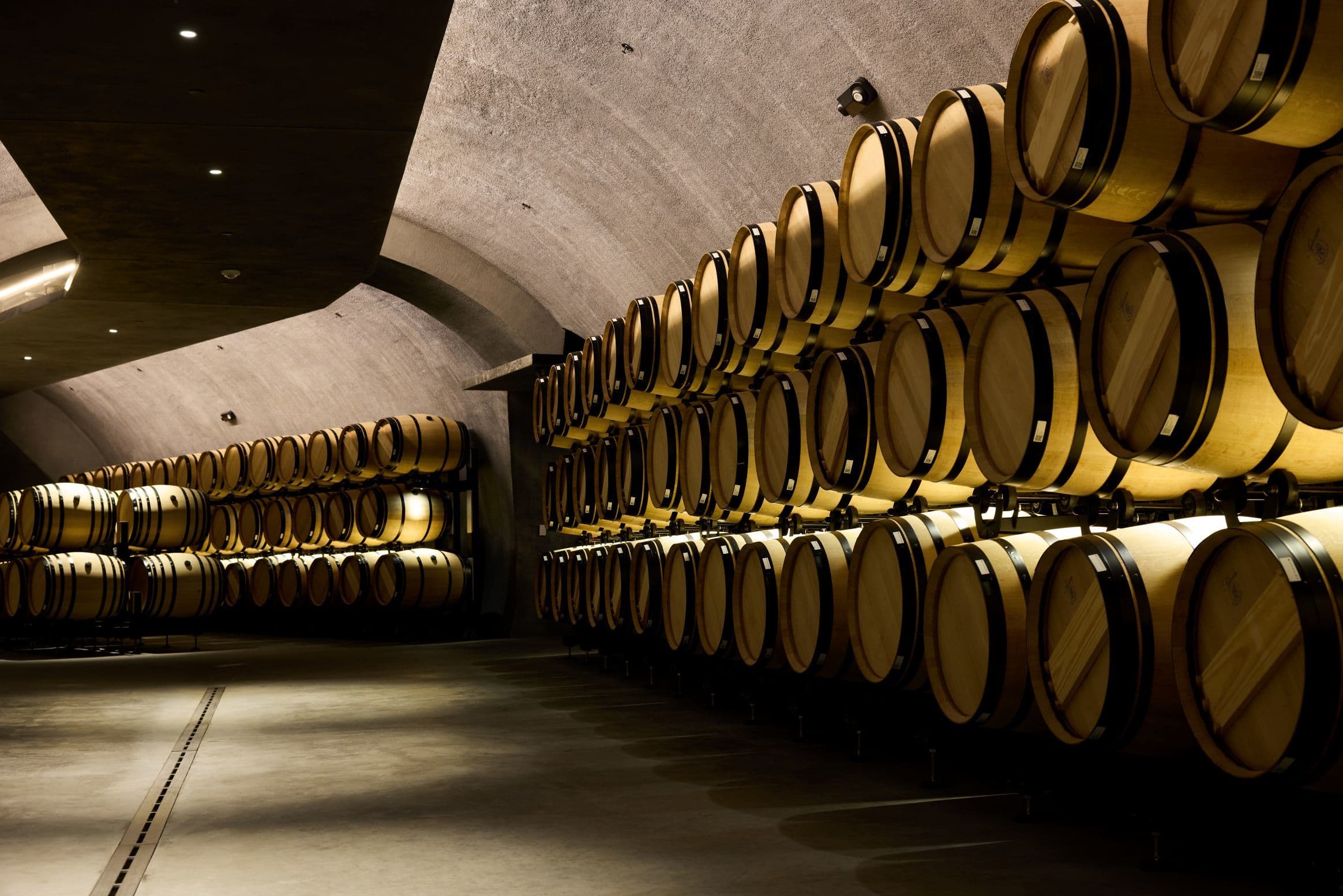
Fine-wine assets
Tevuah Reserve presents fine-wine opportunities through disciplined selection, documented provenance, professional storage and structured portfolio reporting.
Selection
Carefully presented holdings
Custody
Specialist storage
Reporting
Portfolio-level visibility
Collection principles
The value of a fine-wine holding depends on more than the producer or vintage. Provenance, condition, custody, storage and documentation all contribute to how the asset is managed and evaluated.
Review potential holdings based on producer reputation, vintage, market relevance, scarcity and the overall collection strategy.
Maintain available records supporting origin, acquisition history, ownership and authenticity.
Hold wine under appropriate temperature, humidity, security and handling conditions designed for long-term preservation.
Maintain clear records of ownership, storage location, custody arrangements and movements of the collection.
Conduct appropriate inspections and condition reviews, particularly for higher-value or older holdings.
Provide structured information on collection composition, holdings, custody, valuation and relevant portfolio activity.
Portfolio experience
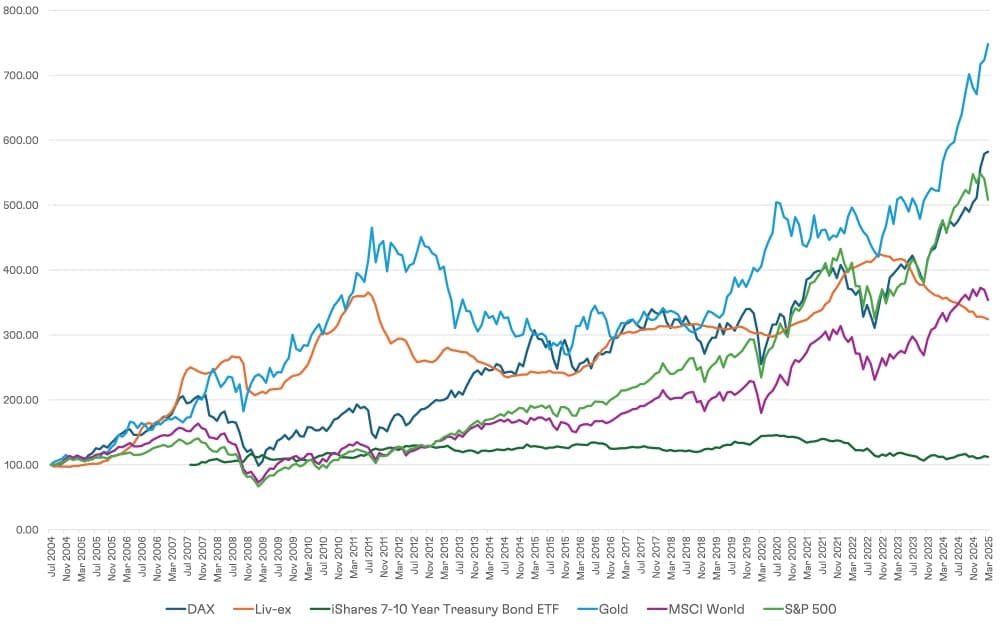
Tevuah Reserve organizes fine-wine holdings within a structured portfolio experience, giving investors visibility into the assets they hold, their provenance, custody arrangements, storage status and relevant valuation information.
The portfolio experience brings individual holdings together so investors can review the composition and status of their fine-wine assets in one place.
Provenance
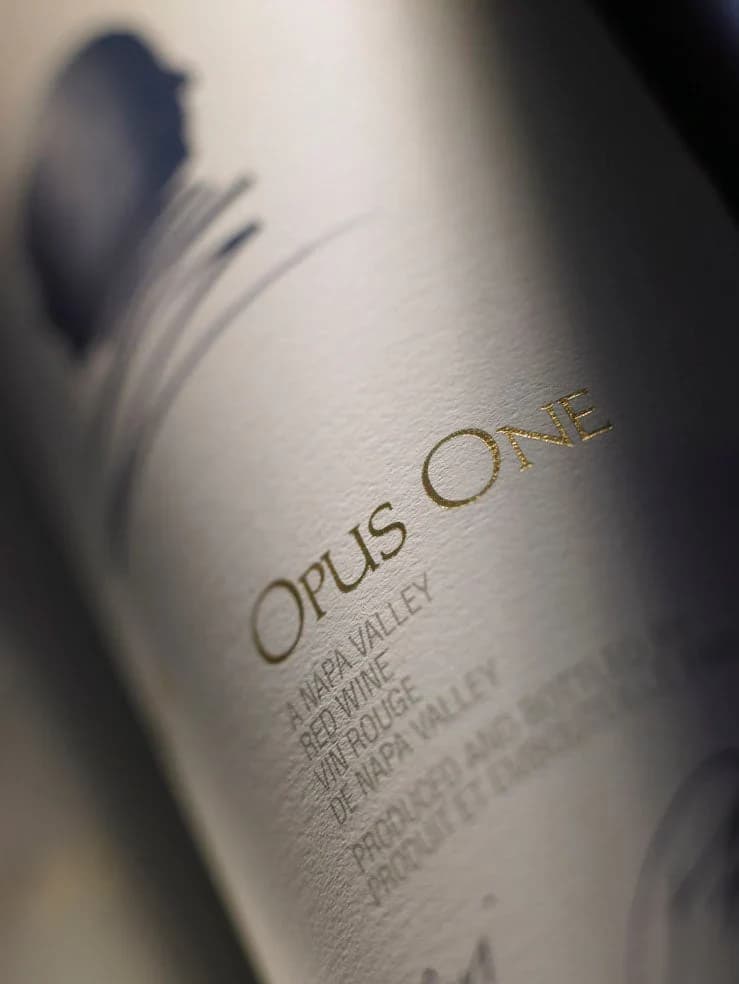
Provenance information can include producer, vintage, acquisition records, storage history, bottle condition and authenticity documentation.
Storage and custody
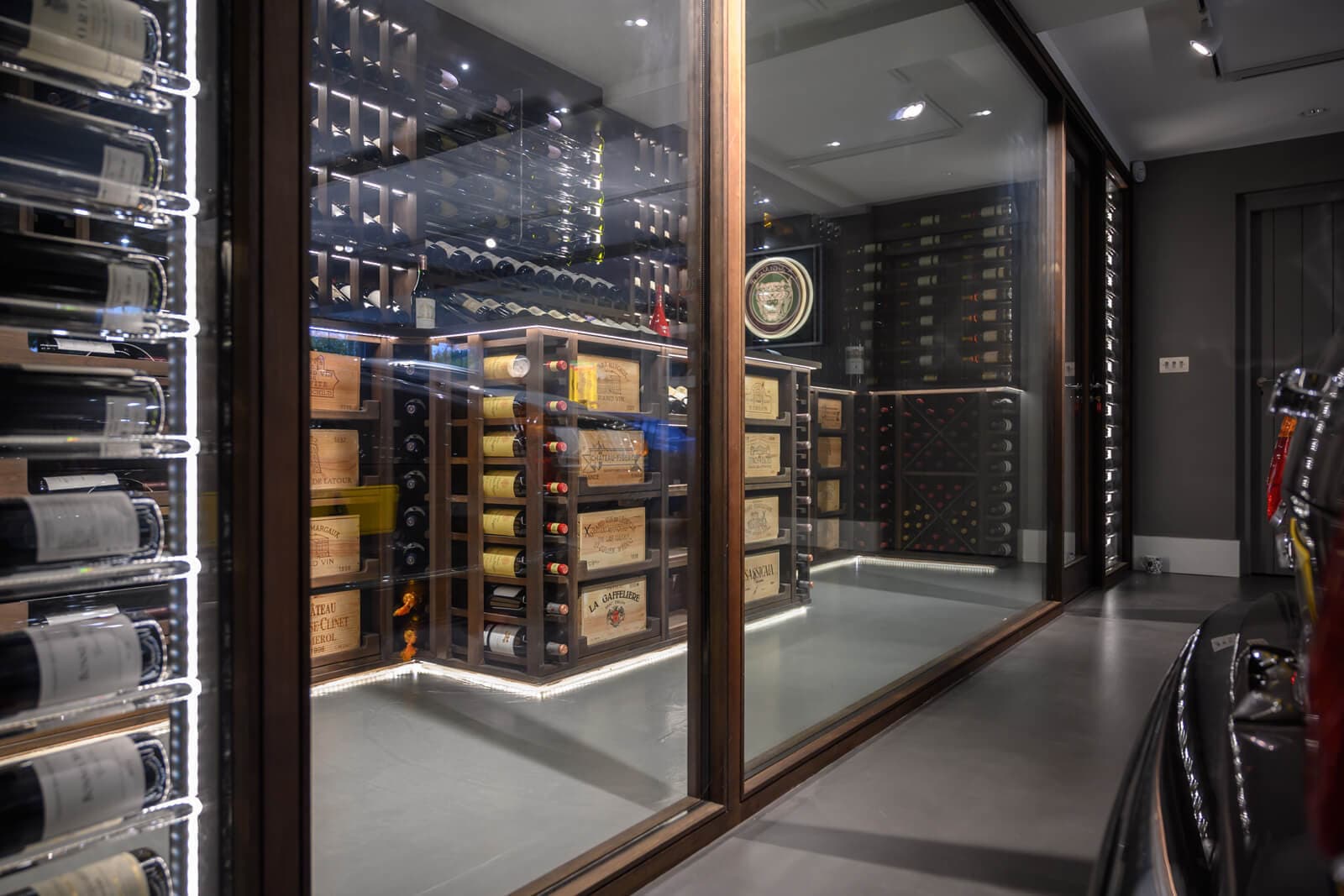
Fine wine is sensitive to its environment and handling. Appropriate storage and clear custody arrangements are therefore fundamental to preserving the condition and integrity of the collection.
Maintain appropriate environmental conditions for long-term wine storage.
Maintain records of storage location, ownership and movements within the custody chain.
Use controlled storage environments with appropriate protection against unauthorized access and handling.
Maintain appropriate insurance and asset-protection arrangements based on the nature and value of the collection.
Regional allocation
Geographic and producer concentration can affect portfolio behaviour, liquidity and exposure to market trends.
Bordeaux
France
34%
exposure to established producers and recognised appellations.
Burgundy
France
28%
exposure to scarce production and producer-specific holdings.
Champagne
France
15%
allocation to selected vintage and prestige cuvée holdings.
Tuscany
Italy
13%
exposure to premium Italian wine estates.
Rioja
Spain
10%
exposure to selected Spanish producers and mature vintages.
Investment considerations
Fine-wine assets can involve extended holding periods, limited liquidity and specialist ownership costs. Market prices can change, and the ability to sell a particular holding at a desired price or within a desired timeframe cannot be assumed.
Fine-wine opportunities
Tevuah Reserve publishes selected fine-wine opportunities for investors who meet the applicable eligibility and suitability requirements.
Each opportunity can provide access to relevant information covering the underlying wine assets, investment structure, funding requirements, holding period, risks, documentation and applicable terms.

Europe
Medium-term wine collection focused on emerging producers and collectible European wines.
Target return represents an 75–135% cumulative return over 4 years, equivalent to approximately 17.1–29.1% annually assuming annual compounding.

Rhône Valley, France
Five-year portfolio focused on collectible Rhône wines.
Target return represents an 90–150% cumulative return over 5 years, equivalent to approximately 16.2–25.2% annually assuming annual compounding.

California, USA
Collectible California wine portfolio focused on established premium producers and vintages.
Target return represents an 70–120% cumulative return over 6 years, equivalent to approximately 10.2–16.2% annually assuming annual compounding.

Bordeaux, France
Long-term collection strategy centered on highly sought-after Bordeaux First Growth wines.
Target return represents an 110–190% cumulative return over 9 years, equivalent to approximately 10.0–15.4% annually assuming annual compounding.

Piedmont, Italy
Curated Piedmont wine collection focused on collectible Barolo and Barbaresco.
Target return represents an 60–100% cumulative return over 5 years, equivalent to approximately 10.8–16.8% annually assuming annual compounding.

Bordeaux, France
Short-duration acquisition strategy focused on selected Bordeaux vintages.
Target return represents an 30–50% cumulative return over 2 years, equivalent to approximately 14.4–23.6% annually assuming annual compounding. Actual results may differ materially and liquidity is not guaranteed.

Napa Valley, California, USA
Five-year collectible wine strategy focused on premium Napa Cabernet.
Target return represents an 60–100% cumulative return over 5 years, equivalent to approximately 10.8–16.8% annually assuming annual compounding.

Bordeaux, France
Curated collection of premium Bordeaux wines held for medium-term appreciation.
Target return represents an 70–120% cumulative return over 6 years, equivalent to approximately 10.2–16.2% annually assuming annual compounding. Wine valuations can fluctuate and liquidity is not guaranteed.
Build the collection experience
Authenticated investors can review their fine-wine holdings, portfolio positions, supporting documents and transaction activity through the Tevuah Reserve dashboard. Wine-specific valuation information can be reviewed alongside the relevant holding when supported by appropriate valuation sources, reporting records and documented methodologies.