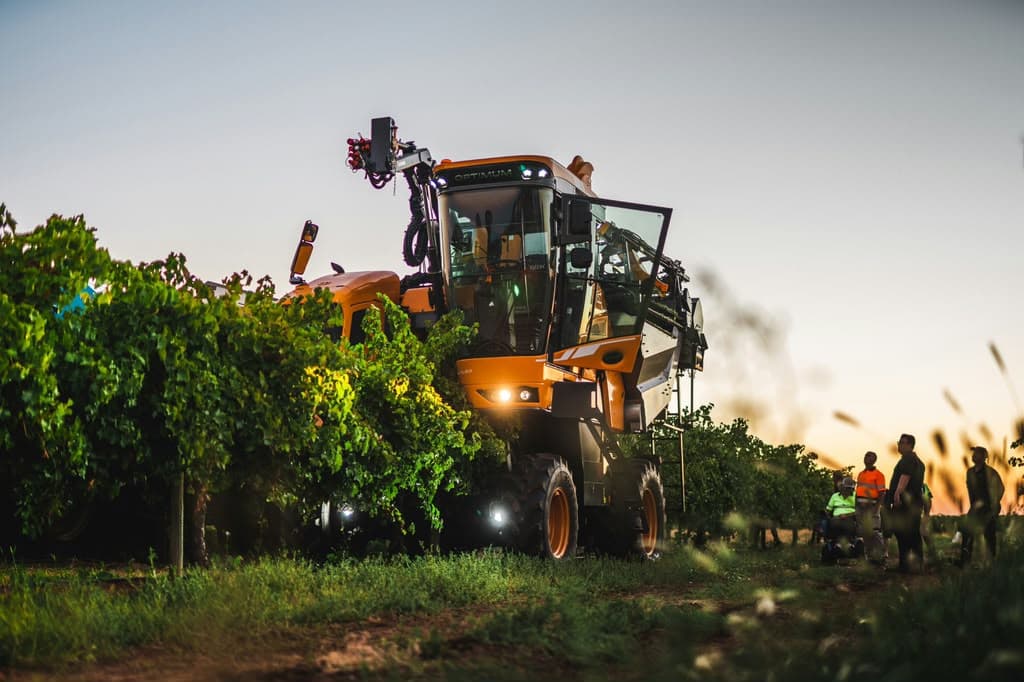
A vineyard harvest is one of the most visible moments in the agricultural calendar, but its outcome is shaped by months of preparation, monitoring and operating decisions.
Timing matters
Harvest timing can influence grape composition, production planning and the commercial characteristics of the crop.
Estate operators consider factors such as grape maturity, weather forecasts, labour availability and production requirements when deciding when to harvest. The appropriate timing depends on the grape variety, growing conditions and intended wine style.
Harvesting too early or too late may affect the characteristics of the grapes and the options available during winemaking.
Weather remains a material variable
Rain, heat, frost and other weather conditions can affect harvest timing, grape condition and overall production.
Weather-related challenges may require changes to harvesting schedules, additional labour or adjustments to vineyard management. Their effects vary according to the location, growing season and condition of the vines.
Technology can improve visibility into field conditions, but it cannot eliminate agricultural risk or prevent every adverse event.
Labour and operational coordination
Harvesting requires coordination between vineyard teams, equipment, transport and, where applicable, winery capacity. Labour shortages, equipment failures or delays can disrupt planned operations, particularly when weather conditions create a narrow harvesting window.
Planning and coordination can help manage these pressures, although unexpected costs and operational disruptions remain possible.
Reporting the harvest
For investors, harvest reporting can provide context on production volumes, operational milestones, crop conditions and progress against operating plans.
Useful reporting should identify the period covered, the source of the information and whether figures are preliminary, estimated or independently reviewed. Production volume alone does not establish profitability: operating costs, grape quality, sale prices and subsequent processing or distribution arrangements may also affect the commercial outcome.
Key takeaways
Published for general educational purposes. Information may change over time and should be considered alongside the relevant investment documentation and risk disclosures.