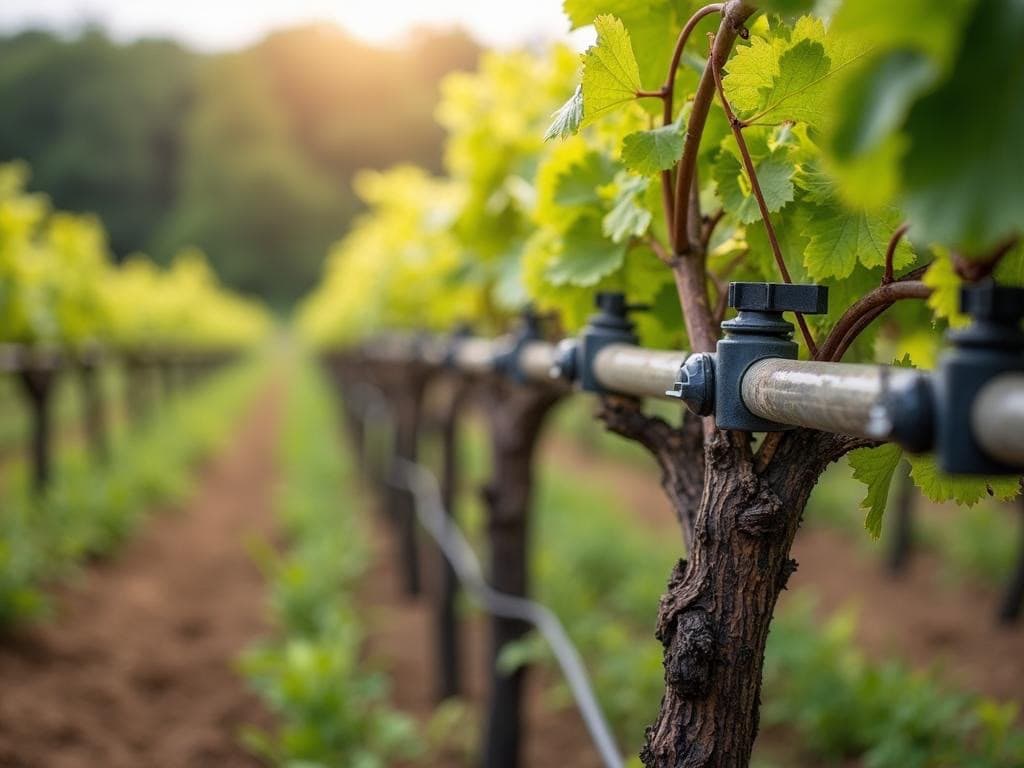
Water management is an important part of agricultural operations. Precision irrigation uses information about field conditions, water availability and crop requirements to support irrigation decisions. Its value depends on the quality of the data, the suitability of the equipment and how effectively operators use the information.
Understanding field conditions
Agricultural sensors and monitoring systems can collect information such as soil moisture, temperature and local environmental conditions. Weather stations, satellite observations and other data sources may provide additional context.
These measurements can help operators identify changes across different areas of an estate and assess where closer attention may be needed. However, readings represent specific locations and periods, and may not reflect conditions across an entire property.
The source, timestamp, measurement method and limitations of the data should be understood before it is used to support operational decisions.
Supporting irrigation decisions
Precision irrigation systems can help operators plan when and where to apply water. Depending on the technology and estate setup, monitoring tools may support irrigation scheduling, identify potential inefficiencies and help compare water use across different areas.
The practical benefit depends on factors such as soil type, crop requirements, equipment performance, water supply and local weather. Sensors and automated systems also require maintenance, calibration and appropriate interpretation.
Technology can inform decisions, but it does not replace agronomic expertise or eliminate the effects of drought and other environmental conditions.
Water use and operating efficiency
Water management can affect operating costs, crop condition and the long-term resilience of agricultural assets. Monitoring water use may help operators identify unusual consumption patterns or areas where irrigation practices warrant review.
To evaluate performance, water-use data should be considered alongside production outcomes, weather conditions and changes in cultivation practices. A reduction in water consumption alone does not necessarily demonstrate improved productivity if crop performance is also affected.
What investors should look for
When agricultural technology forms part of an investment's operating model, relevant questions include:
- What is being measured, and how often?
- Which equipment or data sources provide the information?
- Are readings validated, estimated or subject to known limitations?
- Who maintains the equipment and reviews the results?
- How are operational observations incorporated into estate reporting?
Clear reporting helps distinguish direct measurements from estimates, interpretations and forecasts.
Key takeaways
Published for general educational purposes. Information may change over time and should be considered alongside the relevant investment documentation and risk disclosures.