01
Grove management
Examine cultivation practices, tree condition, pruning and the maintenance decisions that support the health and productive capacity of olive groves.
Tevuah Reserve Events
Olive Estates · Estate and Production Briefing
19 December 2026Jaén, Spain
A closer look at the commercial realities of olive cultivation, from harvest timing and irrigation to milling, oil quality and market positioning. Examine the operational decisions that influence productivity and the long-term stewardship of established olive estates.
Register your interestDiscover
Olive cultivation
Examine
Harvest and production
Understand
Estate economics and stewardship
About the event
An olive estate is shaped by a series of connected decisions throughout the growing and production cycle. Water availability, grove condition, pruning, harvest timing and milling practices can all influence the quantity and quality of the final product.
The Mediterranean Harvest examines how these factors interact and why effective estate management requires attention to both agricultural performance and commercial realities.
The session explores the journey from grove management to finished olive oil, considering the operational choices that affect productivity, quality, costs and market positioning. It also addresses the longer-term responsibilities involved in maintaining productive land and managing an estate through changing seasonal conditions.
What the session explores
01
Examine cultivation practices, tree condition, pruning and the maintenance decisions that support the health and productive capacity of olive groves.
02
Explore how water availability, irrigation planning and seasonal conditions influence grove management, particularly where water resources require careful allocation.
03
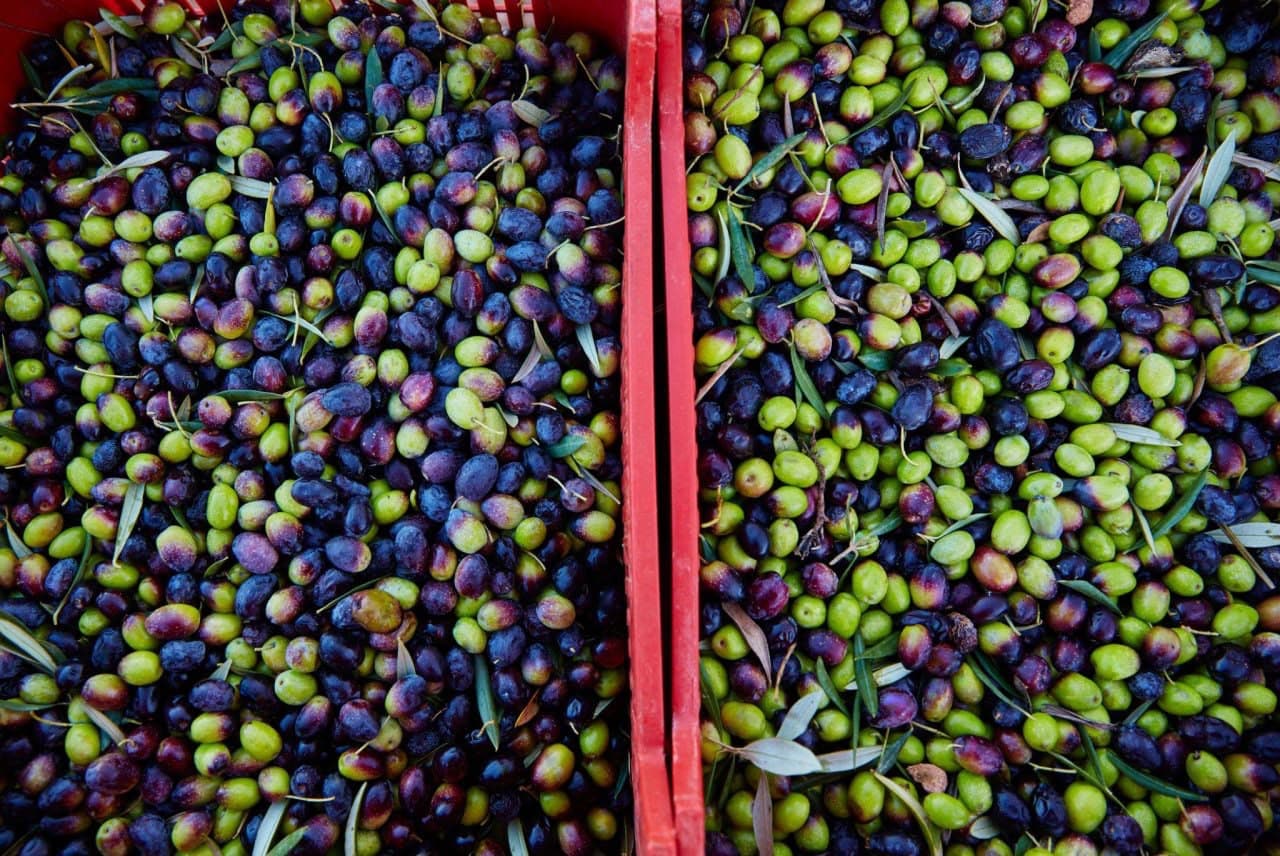
Understand the considerations involved in choosing harvest dates, coordinating labour and equipment, and balancing fruit condition, oil quality and production requirements.
04
Follow the production process from harvested olives to finished oil, examining milling practices, handling, storage and the factors that influence quality.
05
Consider how product quality, production costs, distribution channels, market demand and brand positioning affect the commercial prospects of olive oil.
06
Explore the importance of soil management, water planning, infrastructure maintenance and responsible agricultural practices in sustaining productive capacity over time.
The experience
The briefing connects agricultural practices with the economics of operating an olive estate. Participants will examine why production volume alone does not determine commercial success and how quality, costs, timing and market access contribute to the overall outcome.
The discussion also considers the uncertainties associated with weather, harvest variability, water availability and changing market conditions.
Event details
Registration
Request event details to obtain further information about the programme, participation arrangements and availability. Attendance is subject to confirmation.
Register your interestA long-term perspective
Agricultural productivity and commercial outcomes are not guaranteed. Olive estate operations may be affected by weather, pests, water restrictions, production costs, crop variability and changes in market demand.